The Art of the Digestion Walk: Slow Down and Savor
I just finished lunch and did something that's becoming one of my favorite daily rituals: a digestion walk. Not a power walk, not a cardio session—just a gentle stroll with no agenda other than to help my body process the meal I just ate and give myself permission to slow down.
There's something almost countercultural about this practice. We're so conditioned to make every walk "count" toward our step goals or fitness targets. But a digestion walk has a different purpose entirely.
What Makes It Different
A digestion walk is intentionally gentle. Your heart rate stays relatively calm, your breathing is easy, and your pace is whatever feels natural. It’s usually slower than you'd normally walk. The goal isn't to burn calories or hit a certain distance. It's to support your digestive system as it does its work.
When you move after eating, you're doing your body a genuine favor. Gentle movement stimulates your digestive tract, helping food move through your system more smoothly and potentially reducing bloating and discomfort. This can be especially helpful if you're prone to indigestion or that uncomfortable "too full" feeling.
Walking after meals has also been shown to help regulate blood sugar levels. When you move, your muscles use glucose for energy, which can help prevent the sharp spikes and crashes that leave you feeling sluggish or reaching for more food an hour later. For anyone managing their blood sugar or simply trying to avoid that post-lunch energy slump, this is significant.
There's also evidence that post-meal walks may support heart health by improving circulation and helping manage cholesterol levels over time. And because you're moving without straining, you're giving your cardiovascular system a gentle workout that doesn't interfere with digestion the way intense exercise might.
Even your posture benefits. After sitting hunched over a meal, standing upright and walking helps counteract that compression, giving your digestive organs space to do their work and preventing the kind of chronic slouching that contributes to digestive issues.
Beyond the Physical Benefits
But here's what surprised me about making this a regular practice: the mental and emotional benefits rival the physical ones. When I step outside after lunch, I'm giving myself permission to not be productive for fifteen or twenty minutes. That break from screens, from demands, from the constant mental chatter of work or responsibilities creates a reset point in my day.
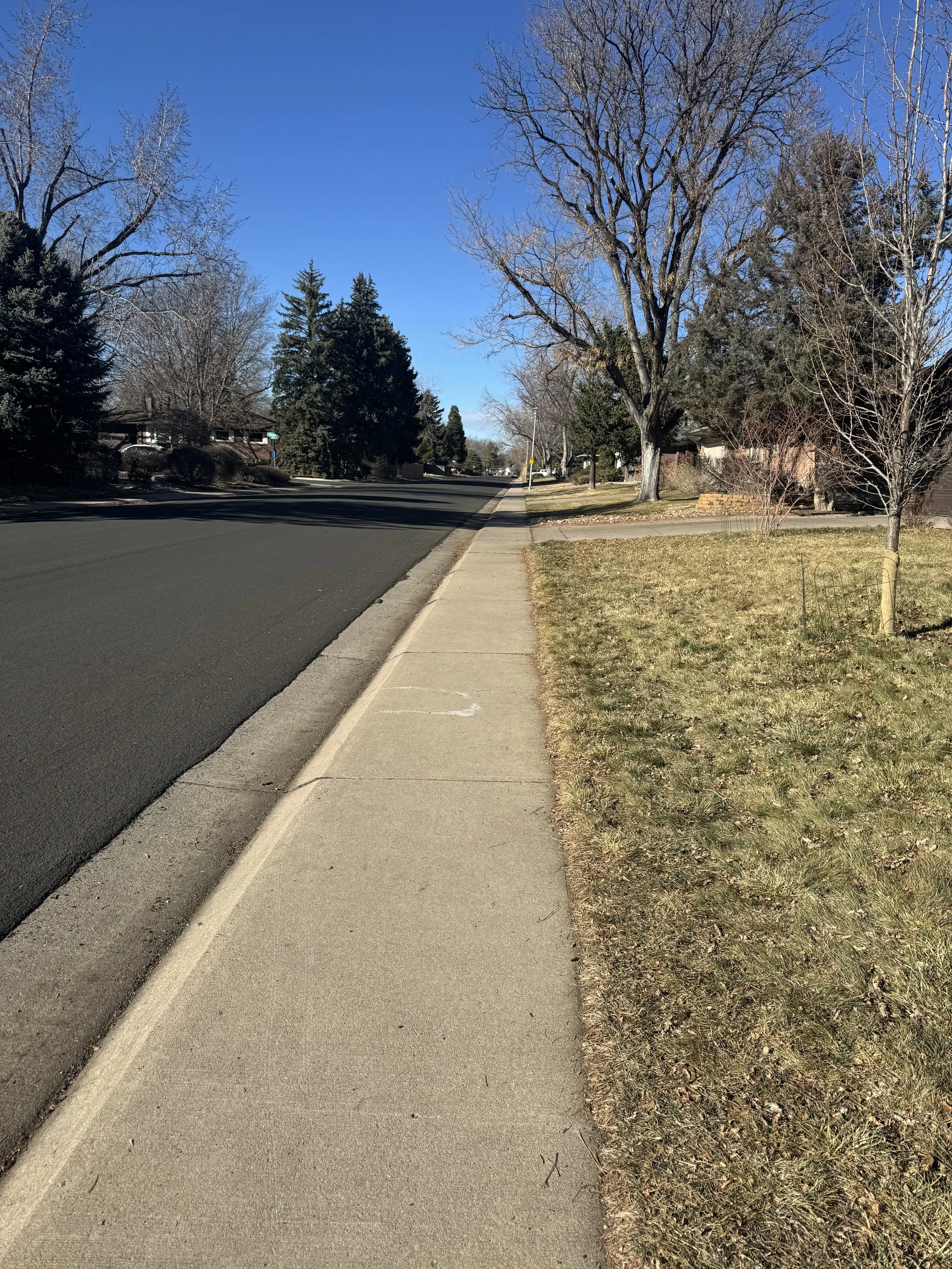
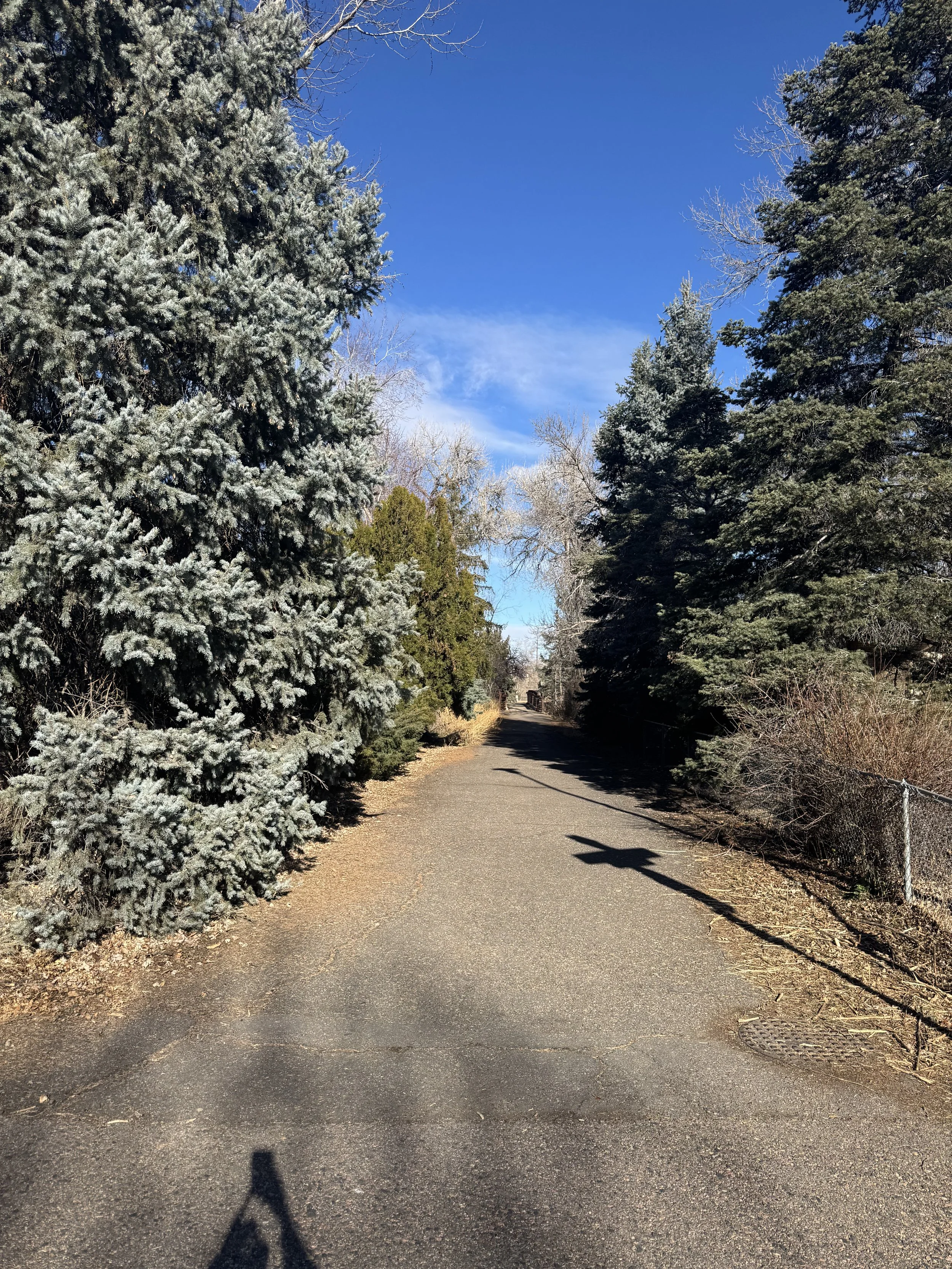
During these walks I’m noticing more like the way light filters through tree branches, a neighbor's yard that I've walked past a hundred times but never really seen. I’m noticing the giant puffy clouds in the beautiful blue sky. This isn't just pleasant; it's genuinely restorative. Our brains need these moments of low-stimulation observation to process information, reduce stress, and maintain mental clarity.
There's also something to be said for the ritual itself. Having a consistent practice that signals to your body and mind "this is time to rest and digest" can improve your relationship with food and eating. You're less likely to mindlessly snack when you've created a clear endpoint to your meal. You're more likely to feel satisfied when you've given your body time to register fullness signals, which takes about 20 minutes.
And if you struggle with afternoon energy crashes or difficulty concentrating after lunch, a digestion walk can be transformative. That gentle movement and fresh air often does more to restore alertness than another cup of coffee ever could.
How to Take Your Own
There's no wrong way to take a digestion walk, but here's what works for me:
I go within 10-30 minutes after finishing a meal, when my body is actively working to digest. The walk usually lasts 15-20 minutes, though even 10 minutes makes a difference. I deliberately leave my phone in my pocket or at home. I walk at whatever pace feels comfortable. On some days that's a leisurely stroll, on other days it's slightly brisker, and that's fine. Many times it depends on how full my belly is.
The only real rule is this: don't push yourself. This isn't exercise in the traditional sense. It's support, care, and a small gift of time to yourself and your body.
A Small Practice With Big Returns
What I've come to appreciate most about this practice is how the benefits accumulate. Better digestion, more stable energy, lower stress, improved focus, a few minutes of genuine peace in a chaotic day. None of these are revolutionary on their own, but together they shift how the entire afternoon feels.
In a culture that's always optimizing, always hustling, there's something quietly radical about a walk that doesn't need to achieve anything beyond helping you digest your meal and notice the world around you. And yet, in not trying to achieve, it delivers more than you'd expect.